
Integrative thinking in osteopathy
Osteopathy looks beyond the site of pain. We examine the whole body as an interconnected system.
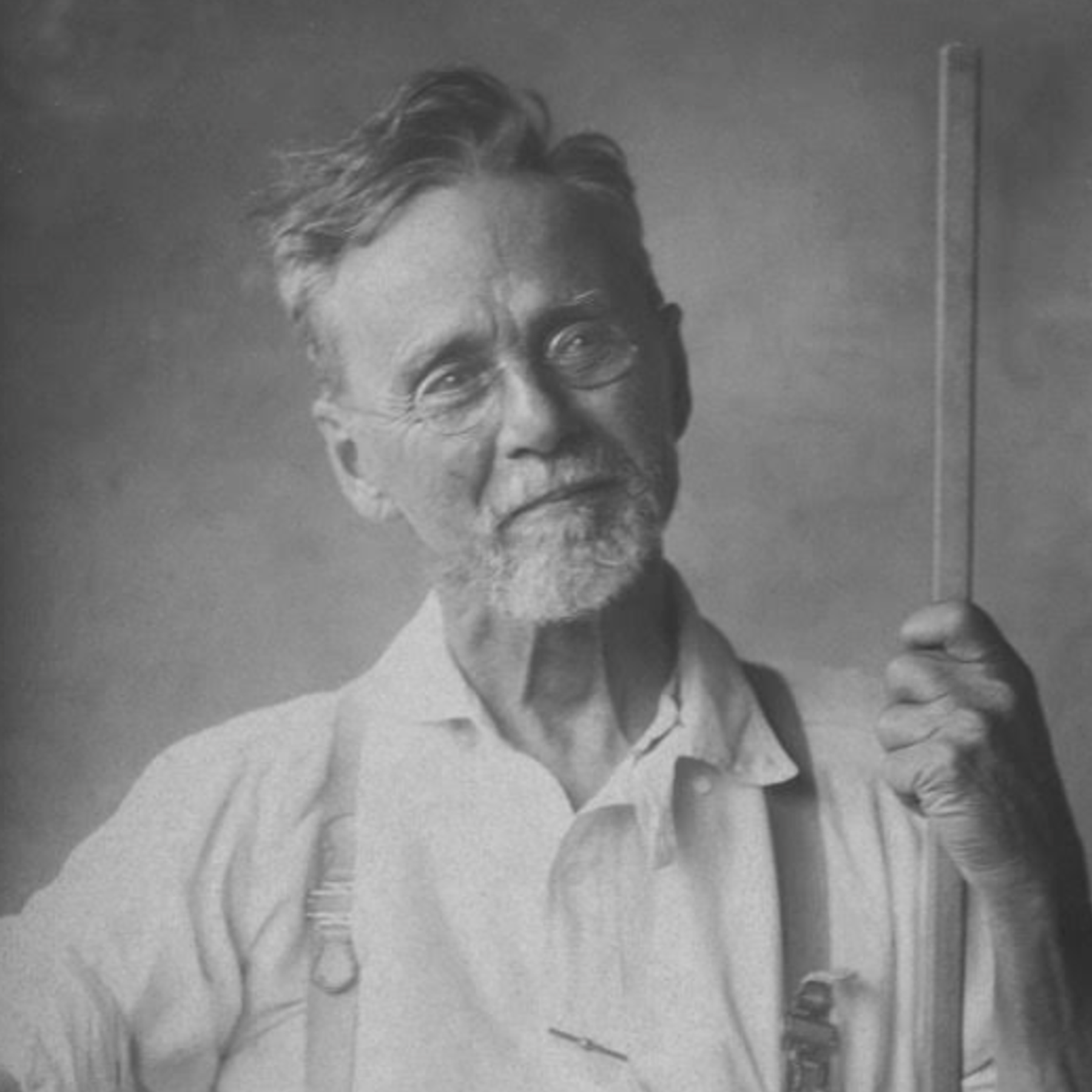
Osteopathy distinguishes itself from other manual therapies through its integrative view of the body. We do not only treat the site of pain, but look for the underlying cause — which is often located elsewhere in the body.
For example, back pain can arise from reduced mobility of the diaphragm, an old ankle injury that never fully healed, or chronic tension in the neck. By approaching the body as a whole, we can identify connections that would otherwise be overlooked.
This integrative approach means that every consultation begins with understanding how the different parts of the body work together. We assess not only the painful area, but also how the joints, muscles, fascia and other structures interact. A restriction in one region may influence movement and increase the strain placed on another. By identifying these relationships, we aim to understand why a particular area has become painful or overloaded.
Treatment is therefore tailored to each individual rather than simply focusing on their symptoms. Through a combination of hands-on techniques, movement advice and practical guidance, we aim to improve mobility, reduce unnecessary tension and support the body's ability to adapt to everyday demands. Our goal is not only to relieve discomfort, but also to address the factors that may be contributing to it.
Recent articles
View all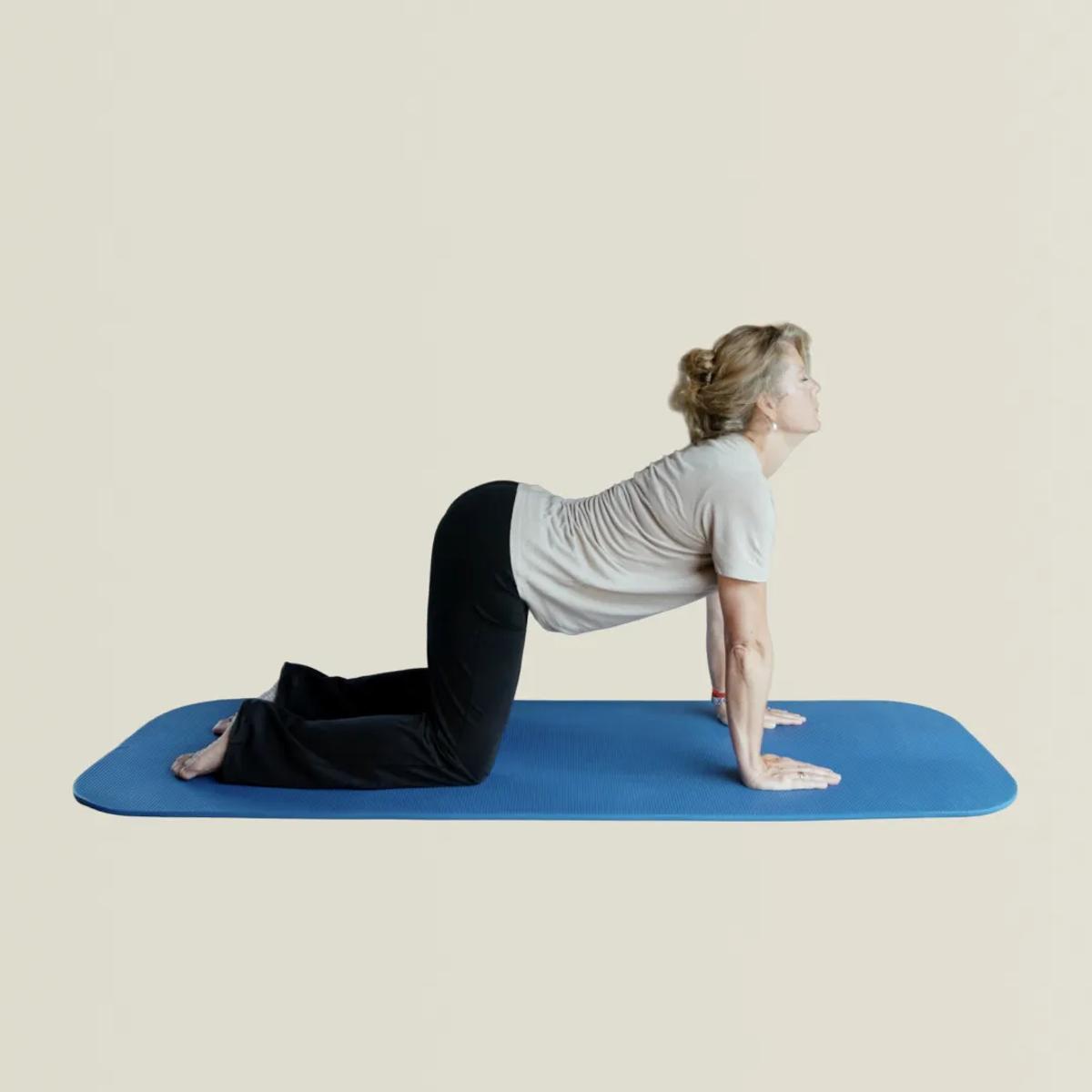
Cat-cow: an exercise for a supple back
Cat-cow gently mobilises your entire spine. A simple exercise after long periods of sitting or when your back feels stiff.
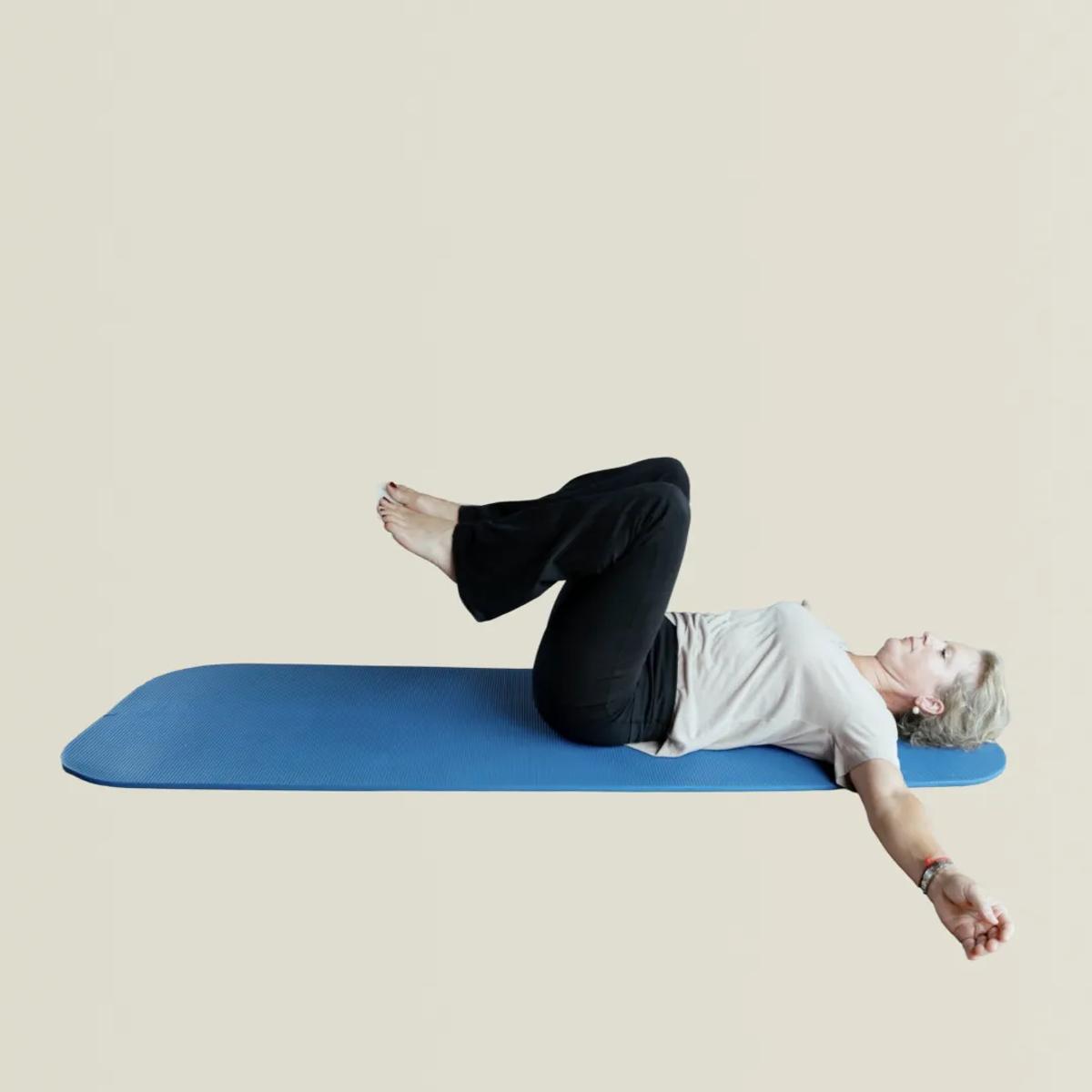
Lying twist: relax your lower back
A gentle twist lying on your back that helps release tension in your lower back and hips. Ideal for winding down at the end of the day.
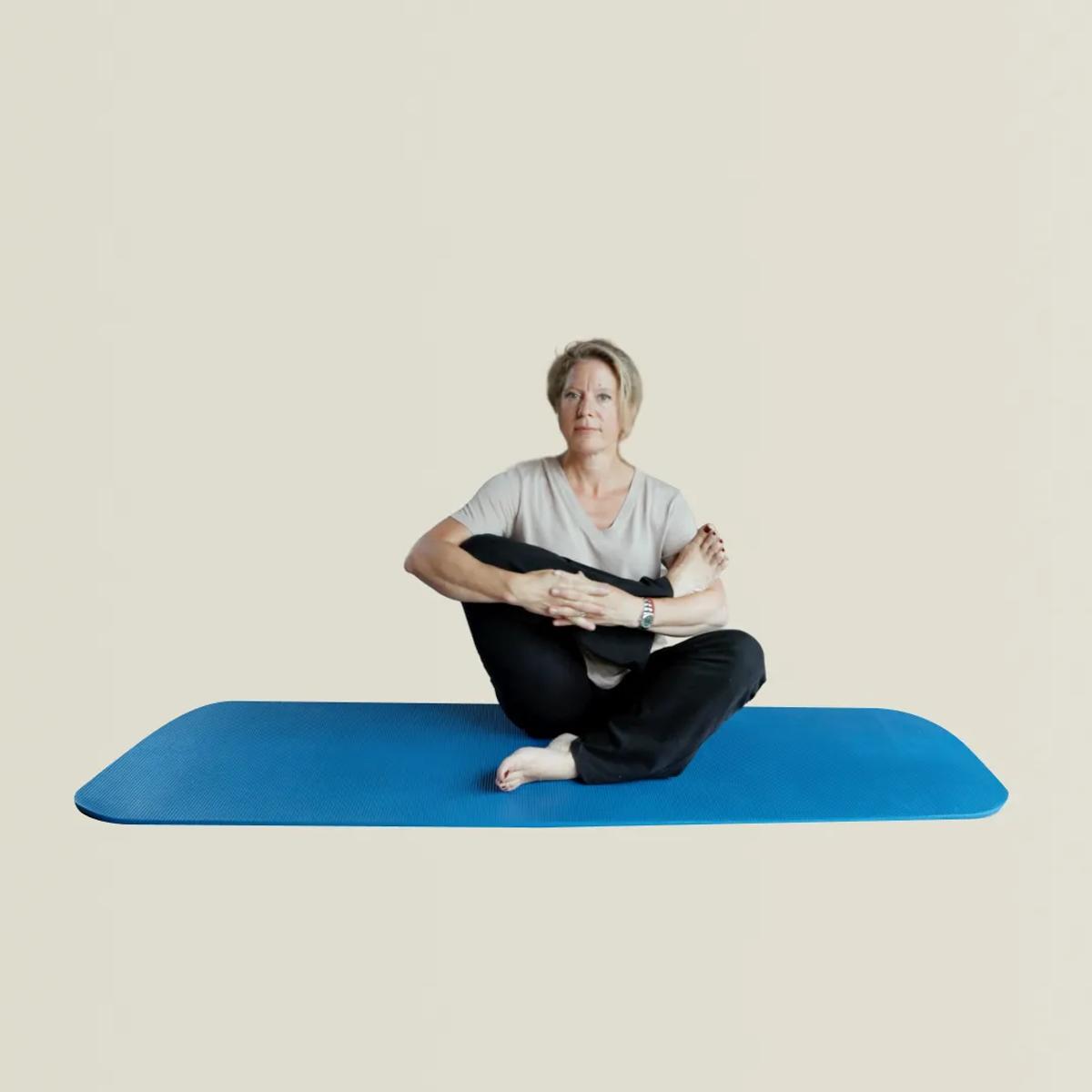
Rock the baby: a hip and glute stretch
A calm stretch for your hip and deep glute muscles. You gently rock your lower leg back and forth, like a baby.