

Physical Activity for Lifelong Health: How to Stay Mobile in Every Decade
The benefits of physical activity across the life course, current UK activity targets and practical age-specific mobility and strength ideas.
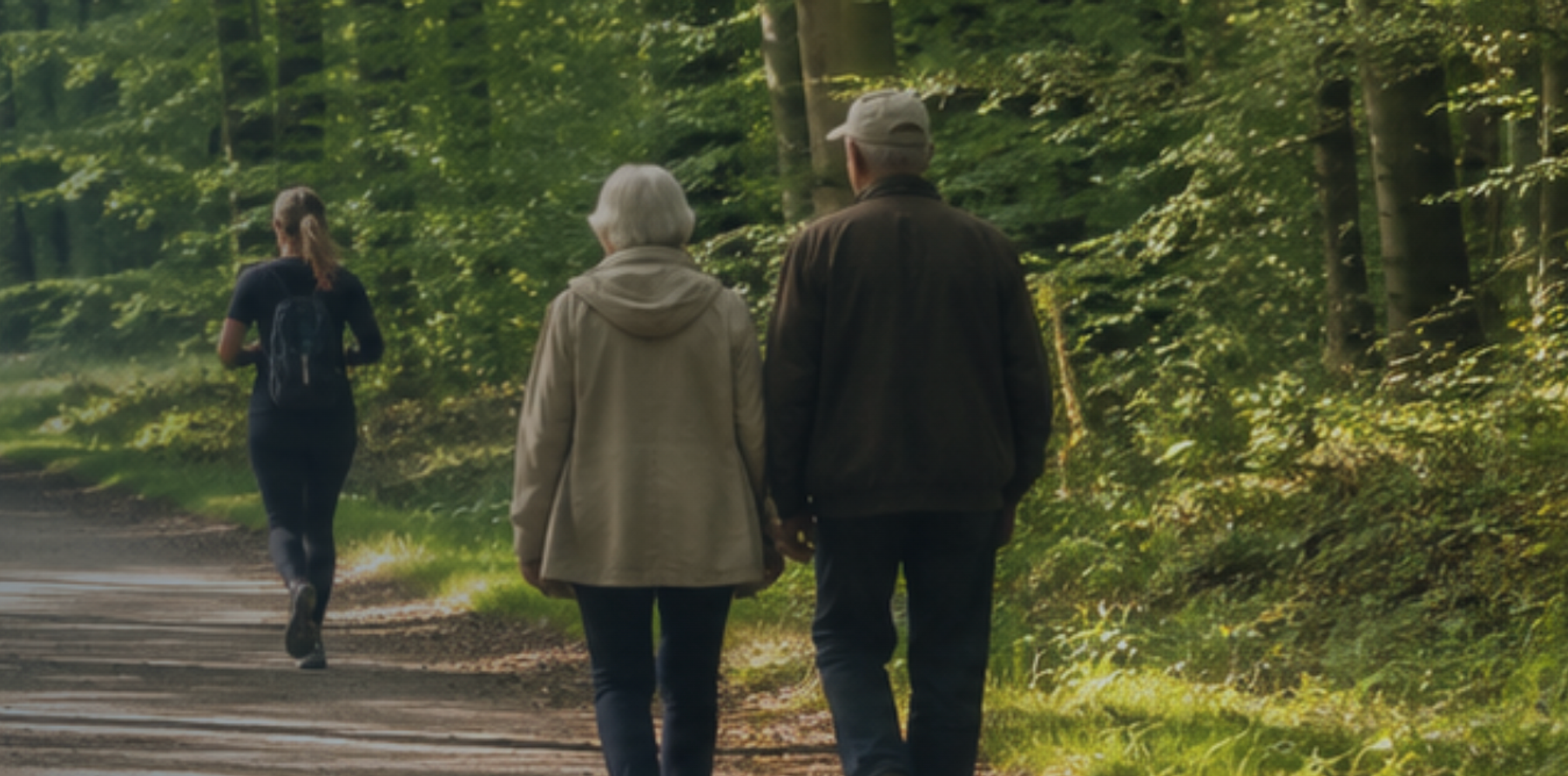
The long, warm days of August naturally encourage us outdoors. August also provides a timely reminder of one of the strongest public-health messages available: regular physical activity supports physical and mental health at every stage of life. Updated UK Chief Medical Officers’ guidance, highlighted in a July 2026 article by Professor Chris Whitty, stresses that the greatest proportional health gains occur when someone who is almost inactive starts doing even a little more. Benefits rise rapidly as activity approaches around 150 minutes of moderate exercise a week, and continue—more slowly—beyond that point. Printable companion: August 2026 activity handout. A one-page guide to recommended activity levels, the priorities that change with age and six practical movements. Do not be discouraged if 150 minutes feels distant. Start from your current level: some is good, and more is better. How much activity at each stage of life? Babies under 1. Be active several times daily through floor-based play. Babies who are not yet mobile should accumulate at least 30 minutes of supervised tummy time while awake. Ages 1–2. At least 180 minutes of varied activity throughout the day, including active and outdoor play. Ages 3–4. At least 180 minutes daily, including at least 60 minutes of moderate-to-vigorous activity. Ages 5–18. An average of at least 60 minutes of moderate-to-vigorous activity per day across the week, with varied activities for movement skills, muscle and bone strength. Adults 19–64. Aim for at least 150 minutes of moderate activity or 75 minutes of vigorous activity weekly, plus strengthening work on at least 2 days. Adults 65+. Build towards 150 minutes of moderate aerobic activity weekly and include strength, balance and flexibility work on at least 2 days. Everyday movement counts. Walking, cycling, wheeling, dancing, gardening, active travel, sport and structured exercise can all contribute. Breaking up long periods of sitting with light movement brings additional benefit. Why lifelong movement matters. Physical activity supports cardiovascular health, sleep, mood, metabolic health, muscle strength and bone health. In children it contributes to healthy development, learning and fitness. In adults it helps preserve function and can reduce the risk of several long-term conditions. Later in life, strength and balance are particularly important for independence and fall prevention. Movement also helps joints distribute synovial fluid across their surfaces and exposes muscles, tendons and bones to the loads that help maintain their capacity. Ageing naturally brings changes in muscle mass, bone density and recovery, but the body remains adaptable throughout life. Clinical perspective. Choose movement that is useful, enjoyable—or both. Activity is far more likely to become a lasting habit when it fits everyday life and feels personally worthwhile. The best starting point is not the most impressive programme; it is the one that can be repeated consistently and progressed gradually. Corentin Meese D.O. — Osteopath. Your 30s and 40s: build the foundation. Busy work and family life can mean long periods of sitting and irregular exercise. Rather than relying on occasional intense sessions, aim for a repeatable mixture of aerobic activity, strength work and movement breaks. 90–90 hip movement: Sit with both knees bent and gently move between the two sides, or lean forward over the front leg. Keep the movement comfortable; there is no need to force a deep stretch. Single-leg balance: Stand near a support and balance for 20–30 seconds. Make it easier by touching a finger to the wall, or harder by adding slow head turns. Your 50s and 60s: preserve strength and capacity. Strength work becomes increasingly important as muscle mass and bone density begin to decline more noticeably. Walking, cycling and gardening are valuable, but they do not always challenge every major muscle group sufficiently. Seated thoracic rotation: Sit tall and rotate the upper body slowly within a comfortable range while keeping the pelvis facing forward. Repeat 6–10 times each way. Supported wall sit: Slide only as far as feels comfortable and hold briefly. A higher position or sit-to-stand exercise is a good alternative for sensitive knees. Your 70s and beyond: protect independence. It is never too late to gain strength. The most useful exercises resemble daily tasks and can be progressed gradually. People who are frail, have recently been inactive or have significant medical conditions may benefit from individual guidance. Controlled sit-to-stands: Rise from a sturdy chair and lower with control. Use the armrests if needed, then gradually reduce assistance as confidence improves. Standing calf raises: Hold a stable counter, rise onto the balls of the feet and lower slowly. This supports ankle strength and walking function. Keeping activity comfortable: When pain, stiffness or a previous injury becomes a barrier, a clinical assessment can help identify what needs rehabilitation, modification or medical review. When to seek professional advice. Stop an exercise and seek advice when you develop marked swelling, a sharp or rapidly worsening pain, new weakness, numbness, chest pain, unexplained breathlessness, dizziness or fainting. Persistent pain that repeatedly limits activity also deserves assessment. Osteopathic care may support movement by addressing painful or restricted areas and helping to plan a gradual return to activity. It should complement—not replace—appropriate medical care, progressive strengthening and sensible load management. Osteopathiepraktijk Tervuren — Excellence in Osteopathy. This article provides general information and is not a diagnosis or a substitute for medical care. Please consult an appropriate healthcare practitioner for advice specific to you. References. Whitty C. The benefits of physical activity at all stages of life for health. Department of Health and Social Care; 2026. UK Chief Medical Officers. Physical activity guidelines. Updated 2026. Department of Health and Social Care. New UK CMO activity guidelines show every movement counts. 2026.

Recent articles
View all
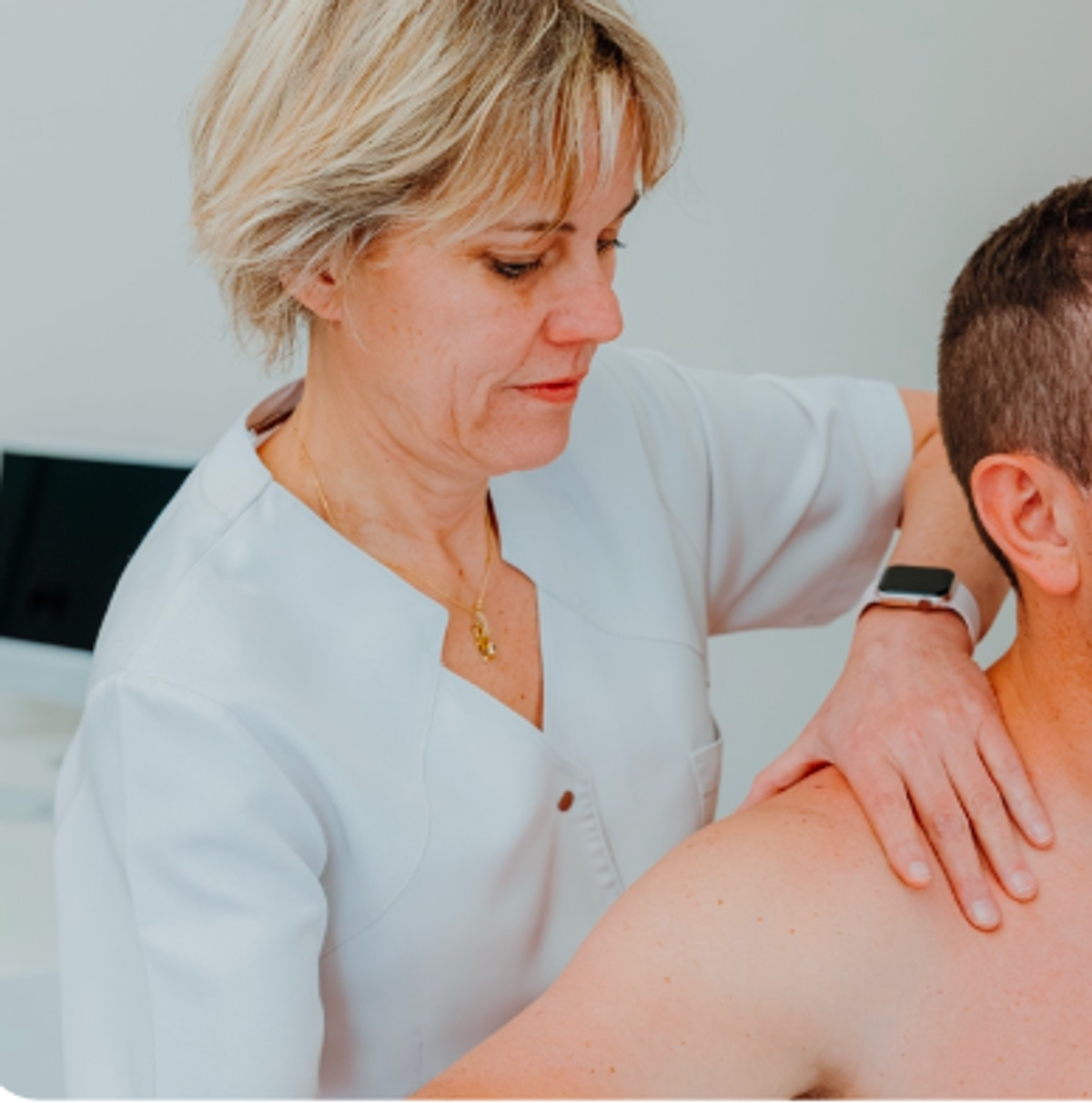
Could your shoulder pain ease with osteopathy?
Four shoulder patterns osteopaths regularly see, what an osteopath can do, and what current research suggests.
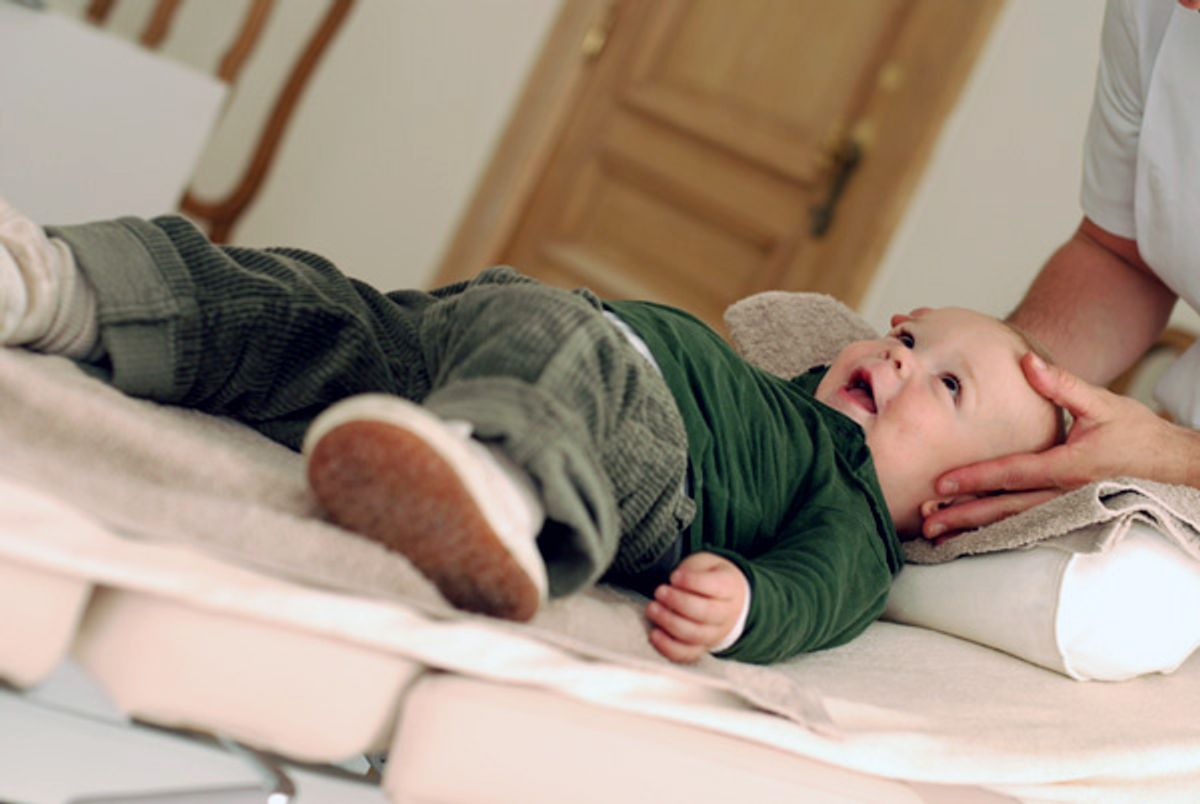
Osteopathic Care for Babies: What You Need to Know

Osteopathy and Arthritis: Finding Spring in Your Joints
Does spring take a toll on your joints? Discover how osteopathy can help manage arthritis symptoms, and how our patient Mary was able to get back into her garden thanks to a targeted treatment.